EU Ban on Destroying Unsold Clothing and Footwear: A Technological and Logistical Revolution for E-Commerce and Logistics
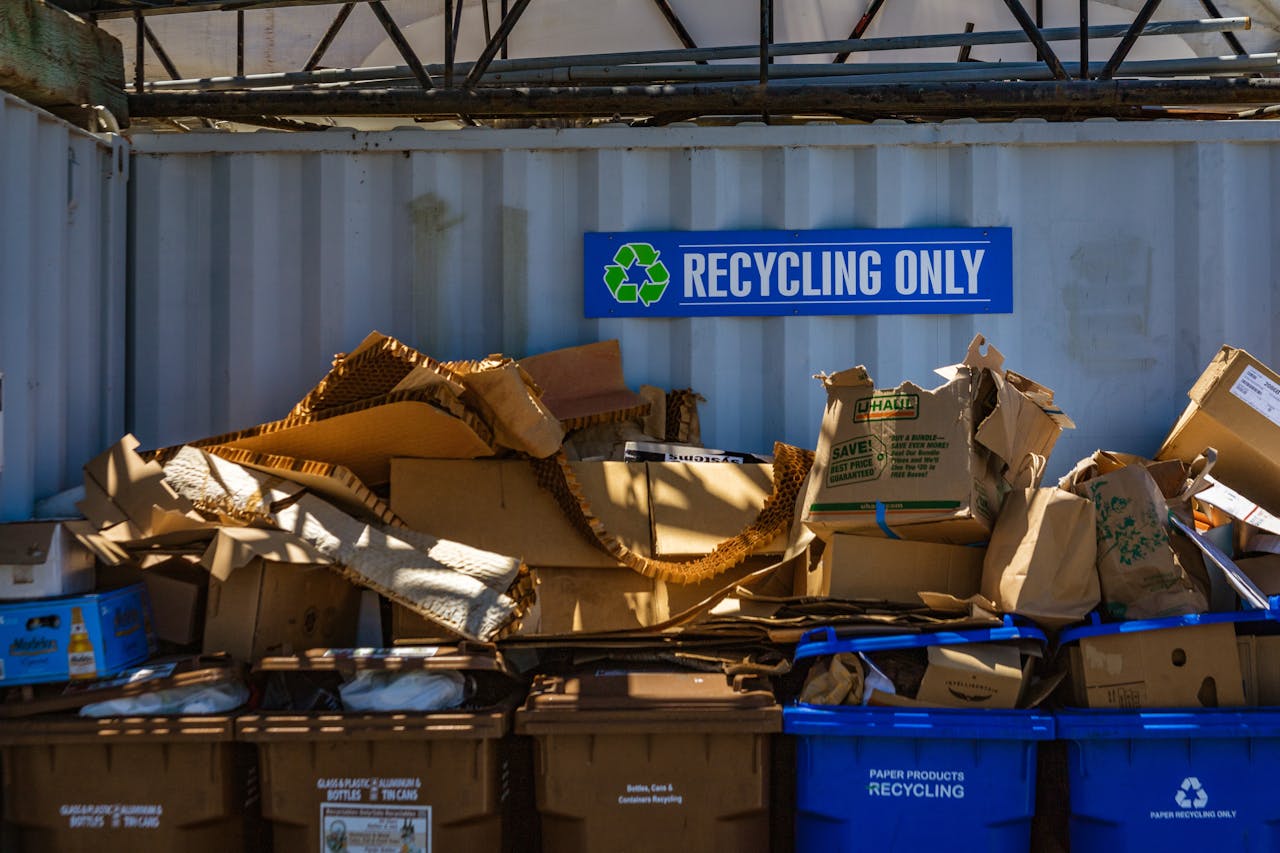
The European Union has taken a groundbreaking step with the Ecodesign for Sustainable Products Regulation (ESPR) , which bans the destruction of unsold clothing, accessories, and footwear. This regulation, set to take effect on 19 July 2026 for large companies and by 2030 for medium-sized firms , targets a practice that contributes to 4 million tons of textile waste annually in the EU alone, along with 10% of global CO₂ emissions from the fashion industry ( European Environment Agency, 2023 ). Starting February 2027 , businesses will also be required to disclose data on discarded stock in a standardized format, ensuring transparency and accountability.
The Environmental and Economic Impact
The fashion industry is one of the most polluting sectors globally, with 92 million tons of textile waste generated annually ( Ellen MacArthur Foundation, 2021 ). The EU’s ban aims to curb this waste by forcing companies to adopt circular economy practices . Exceptions will only be made for damaged or unsafe products , and these will be strictly monitored by national authorities. The goal is to reduce waste by 30% by 2030 ( European Commission, 2022 ) and push companies toward more sustainable business models.
The Challenge for E-Commerce and Logistics
For e-commerce companies and logistics providers , this regulation represents a major operational shift . Online retailers often manage large inventories across multiple warehouses , and historically, 30% of returned or unsold items were destroyed due to the high cost of restocking or recycling ( McKinsey & Company, 2020 ). With destruction now prohibited, companies must rethink their inventory management, returns processing, and supply chain strategies .
Key Challenges:
- Returns Management: E-commerce returns are expected to reach $1.2 trillion globally by 2026 , with fashion being one of the highest return categories ( Statista, 2023 ). Companies will need automated returns processing systems to efficiently sort, refurbish, and redistribute returned items.
- Inventory Transparency: Businesses must implement real-time inventory tracking to comply with the new disclosure requirements. This will require investments in demand forecasting and advanced warehouse management systems (WMS) .
- Sustainable Disposal Alternatives: Companies will need to adopt resale platforms, donation programs, recycling initiatives, or remanufacturing processes to handle excess stock.
Technology as the Backbone of Compliance
To comply with the new regulations, e-commerce and logistics companies will need to leverage cutting-edge technology :
1. AI and Machine Learning for Demand Forecasting
- AI-driven tools can reduce overproduction by up to 20% by analyzing historical sales data, market trends, and consumer behavior ( WebshopGenie ).
- Companies like Zara and H&M already use AI to optimize inventory levels , reducing waste and improving profitability ( Harvard Business Review, 2021 ).
2. Automated Warehouse Management Systems (WMS)
- Modern WMS platforms, enable real-time tracking of inventory levels , reducing the risk of overstocking.
- Automation in warehouses can cut processing times by 40% , making it easier to handle returns and redistribute unsold items
3. Blockchain for Transparency
- Blockchain technology can provide immutable records of inventory movements , ensuring compliance with the EU’s disclosure requirements.
- Companies like IBM and Maersk are already using blockchain to enhance supply chain transparency.
4. Integrated Returns Platforms
- Platforms like Narvar and Returnly help e-commerce businesses automate returns processing , reducing manual labor and improving efficiency.
- These tools can sort returned items for resale, donation, or recycling , aligning with the new EU regulations.
The Road Ahead for E-Commerce
The EU’s ban on destroying unsold clothing and footwear is a wake-up call for the e-commerce and logistics sectors . Companies that fail to adapt risk fines, reputational damage, and lost revenue . However, those that embrace technology-driven solutions will not only comply with the regulations but also reduce waste, improve efficiency, and enhance profitability .
By investing in automation, planning and sustainable practices , e-commerce businesses can turn this challenge into an opportunity to lead the way in a circular economy .